Where to stay in the Aveiro district: a guide
Updated November 18, 2026
The Aveiro district stretches from the Atlantic beaches and the lagoon known as the Ria de Aveiro to the green valleys beside the Douro. It is a land of tiled house fronts, salt pans, long sandy beaches and quiet river villages, all within easy reach of Porto. This guide explains where to stay, what to see and how to get about.
Why visit the Aveiro district
Few parts of Portugal change so much in so short a distance. On the coast you have wide beaches backed by dunes and pine woods, and the Ria, a shallow lagoon crossed by the painted moliceiro boats of Aveiro. Inland, the land rises towards Arouca and Castelo de Paiva, where rivers run through wooded hills.
The north of the district has a character of its own. Ovar is known for the patterned tiles that cover its houses, for its carnival and for a soft sponge cake, pão-de-ló de Ovar.
Where to stay
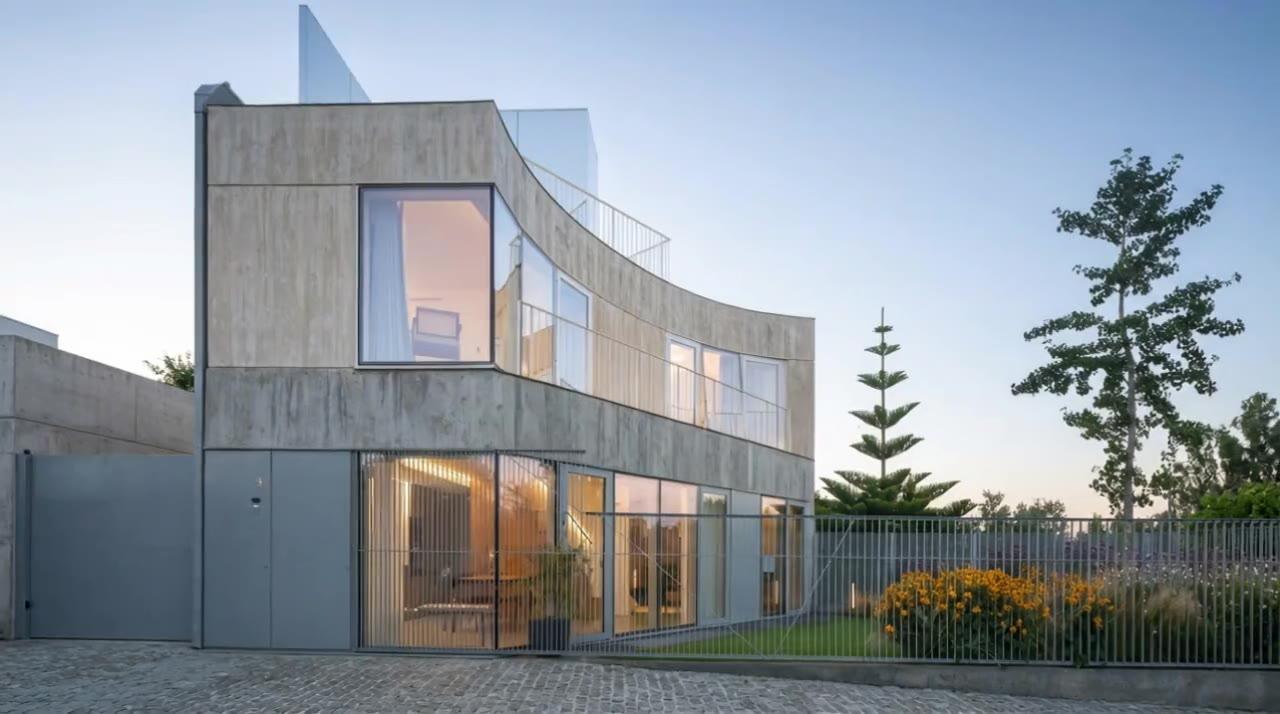
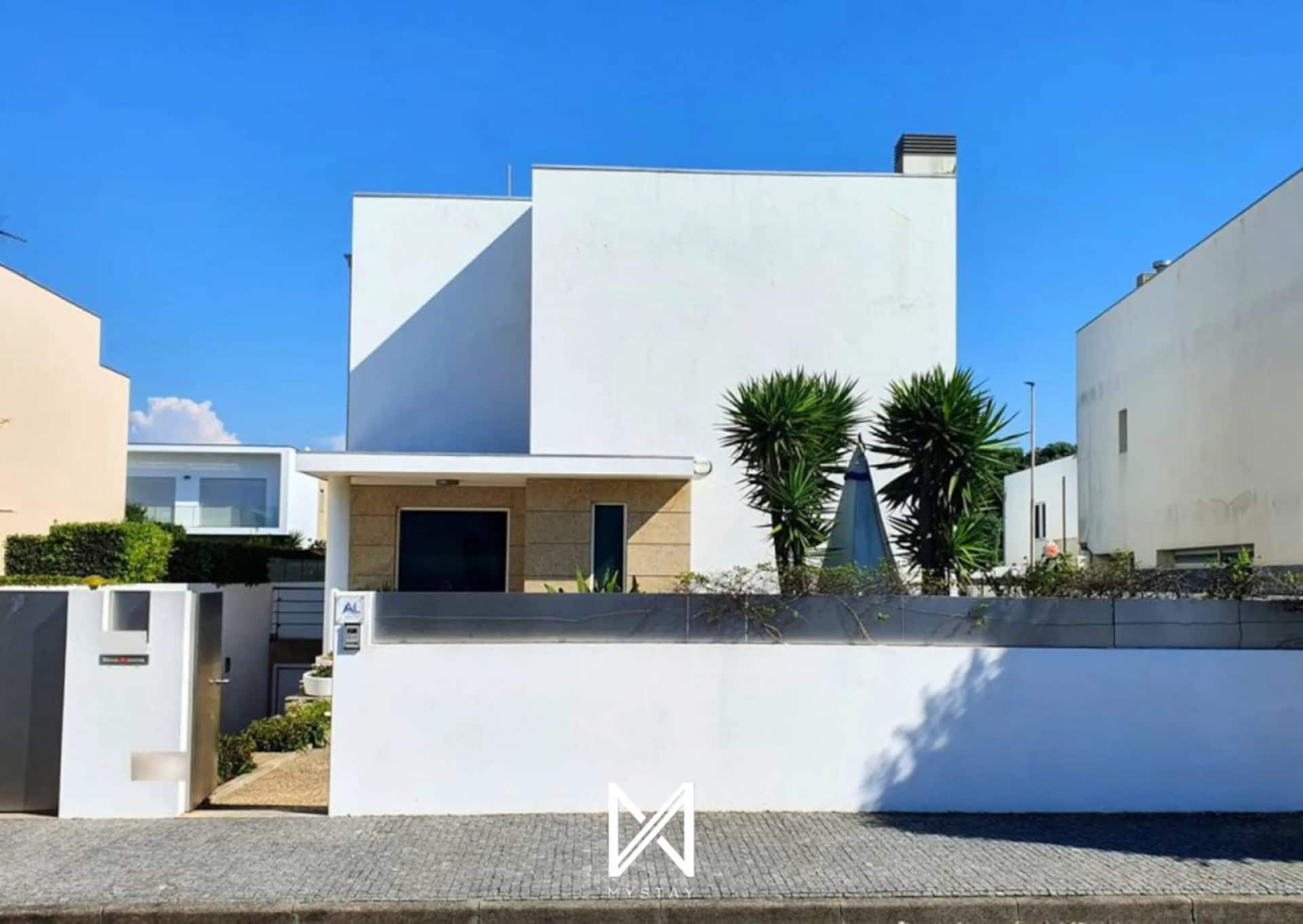
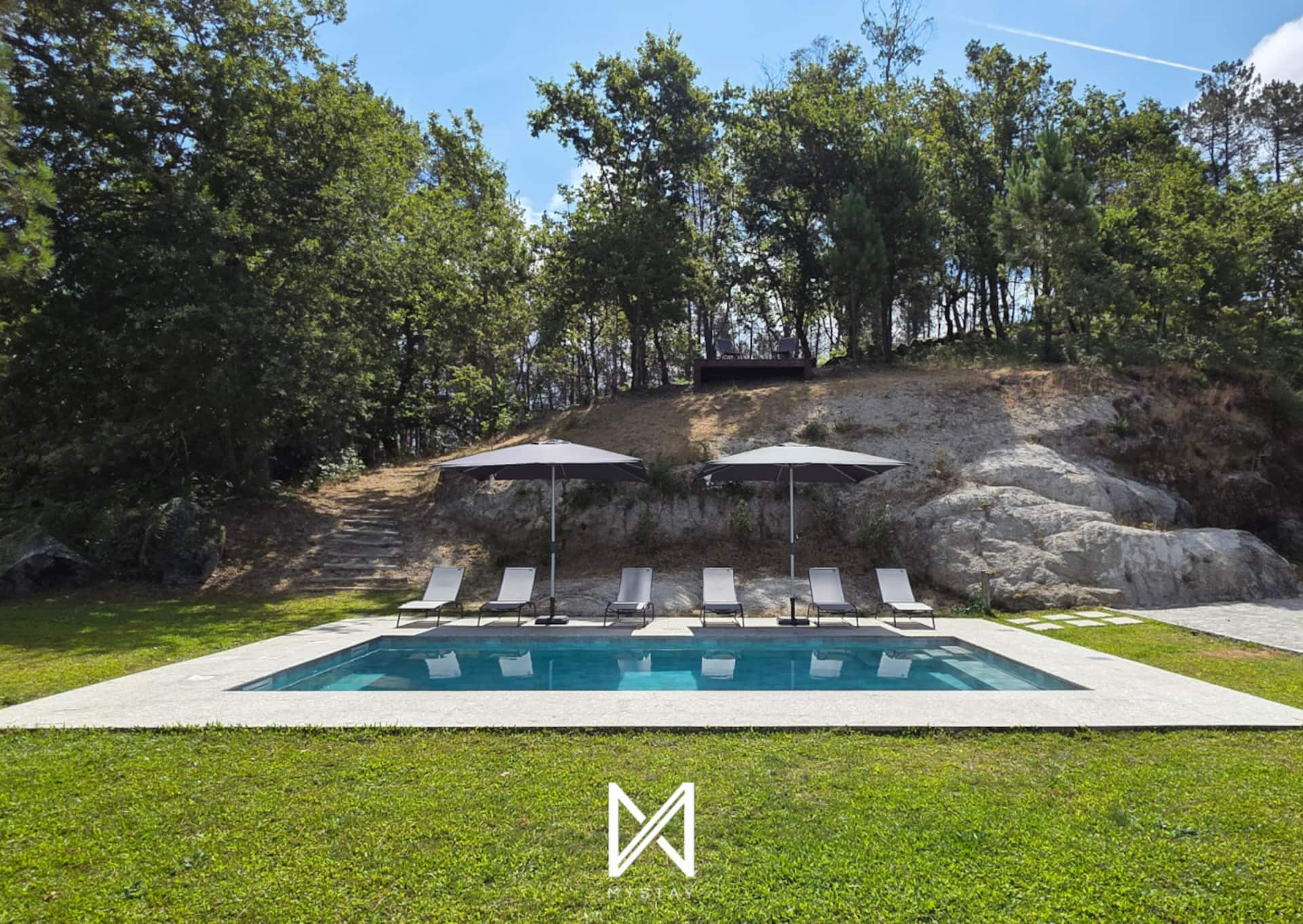
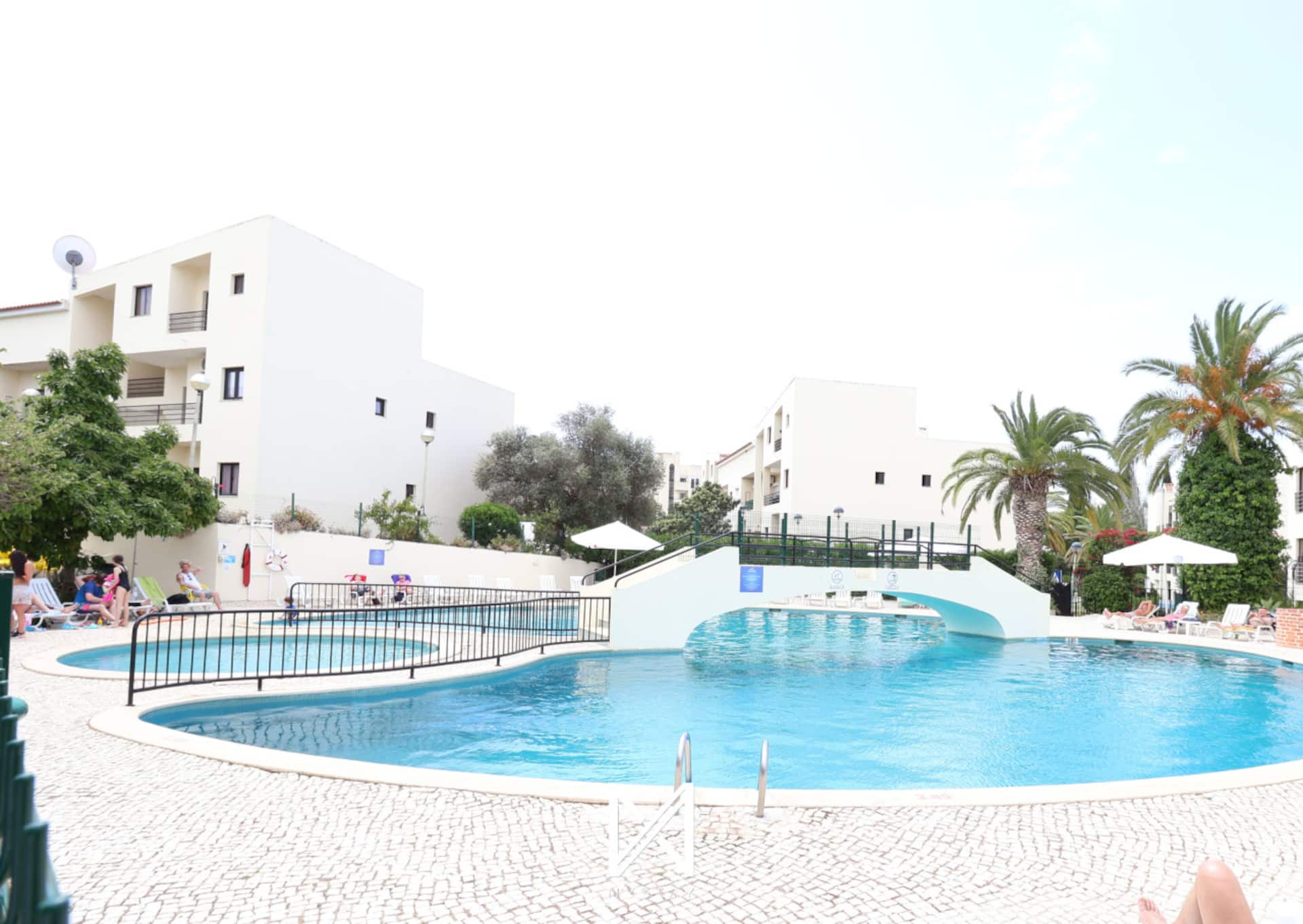
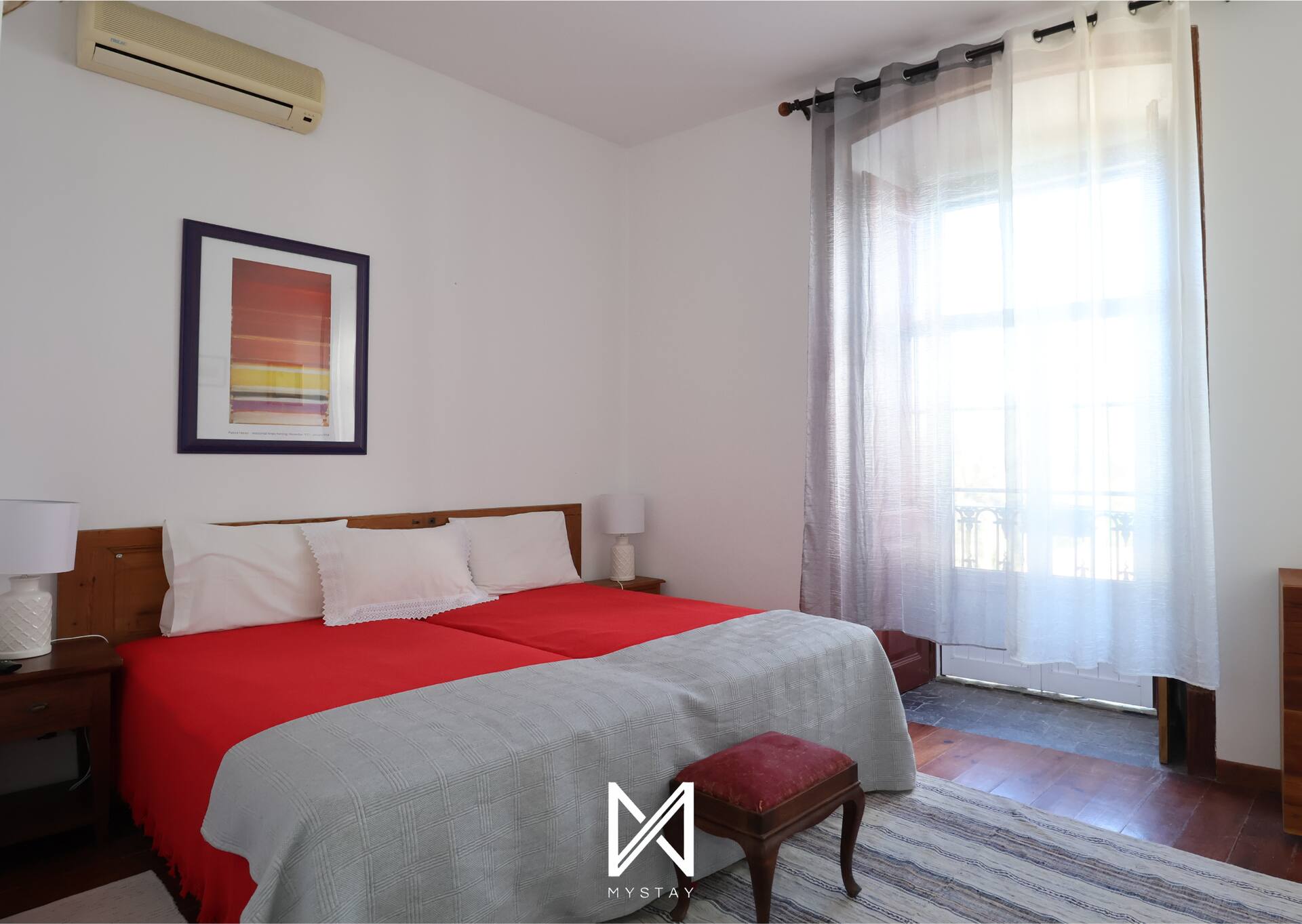
It is best to be plain about scale: MyStay has two stays in this district, both holiday homes. One is in Ovar, near the coast, and the other in Pedorido, a village in the municipality of Castelo de Paiva on the bank of the Douro. Between them they take from 4 to 10 guests, so they suit families and groups of friends more than couples looking for a hotel room.
Choose Ovar if you want the beach, a town with shops and cafés and a railway station. Choose Pedorido for the river, silence and green hillsides. There are no stays in the city of Aveiro itself at the moment; it is an easy day trip from Ovar.
What to see and do
In Ovar, start by simply walking the centre and looking up at the tiled fronts. The Museu de Ovar and the house museum of the writer Júlio Dinis give a sense of local life, and the Jardim Almeida Garrett and the Parque Urbano de Ovar are pleasant places to rest. The Ovar branch of the Museu do Ar, the air museum, will interest anyone fond of aircraft.
A short way west is Praia do Furadouro, a long Atlantic beach, with wooden boardwalks running south through the dunes. Further south lie Aveiro, with its canals and Art Nouveau houses, and the striped wooden houses of Costa Nova.
Around Pedorido the theme is the Douro and the old coal mines of Pejão, which closed in the 1990s; a small visitor centre tells the story of the miners. The Labercos viewpoint looks over the river, and there are riverside picnic and leisure parks nearby. In Arouca, the Paiva walkways follow a wild river gorge.
Getting there and around
The nearest airport is Porto, Francisco Sá Carneiro. Ovar is on the main Porto to Lisbon railway and is served by suburban trains from Porto towards Aveiro; check times and fares with CP, the national rail operator. By car, the A29 and A1 motorways run down the coast.
Pedorido has no railway. You reach it by road along the Douro valley, and the roads are winding, so allow more time than the map suggests. A car is close to essential there, and useful in Ovar too if you plan to visit several beaches or the lagoon.
When to go
The climate is Atlantic and mild. Summer is warm rather than hot on the coast, often with a fresh north wind in the afternoon and morning mist; the sea stays cool all year. July and August are the busiest months at the beaches.
May, June and September bring good light, fewer people and comfortable temperatures for walking. Winter is rainy but rarely cold. Carnival, in February or March, fills Ovar with parades, so book well ahead if you want to be there then.
Practical tips
- Stays are booked directly on the MyStay site, with no intermediaries.
- Bring a windbreaker for the beach, even in August, and heed the flags: the Atlantic here has strong waves and currents.
- Try pão-de-ló in Ovar and ovos moles, the egg sweet of Aveiro; inland, look for roast veal and river fish.
- The Paiva walkways have limited daily entries, so check with the operator and reserve in advance.
- In Pedorido, shop for food before you arrive, as village shops keep short hours.