Where to stay in the Faro district: a guide to the Algarve
Updated November 18, 2026
The Faro district is the Algarve: Portugal's southern coast, from the cliffs and coves of the west to the sandbars and lagoons of the east, with quiet hills behind. This guide covers what the region is like, how to get around it and where MyStay has places to stay. We will be upfront about scale: we have three apartments here, in Alvor, Portimão and Quarteira.
Why visit the Algarve
Most people come for the beaches, and they are right to. The coast changes character every few kilometres: ochre cliffs and sea caves around Lagos and Portimão, long open sands near Quarteira and Vilamoura, and the barrier islands of the Ria Formosa near Faro and Tavira. Inland it is a different region again, with the red sandstone castle of Silves, the wooded Serra de Monchique and villages where lunch is still the main event of the day.
The light is clear, winters are mild, and the cooking is built on what comes off the boats: grilled sardines, clams, and cataplana, a seafood stew cooked in a closed copper pan.
Where to stay
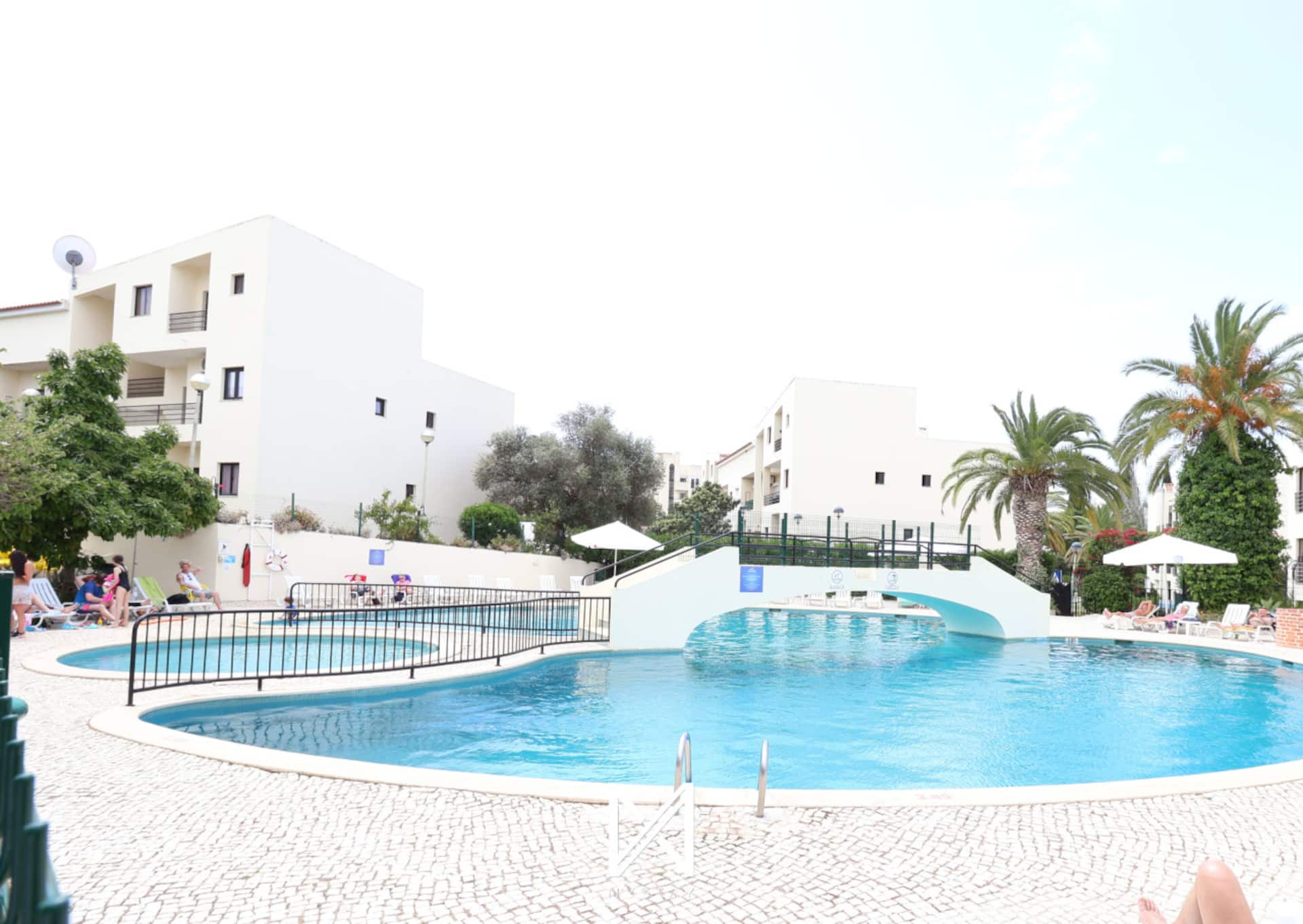
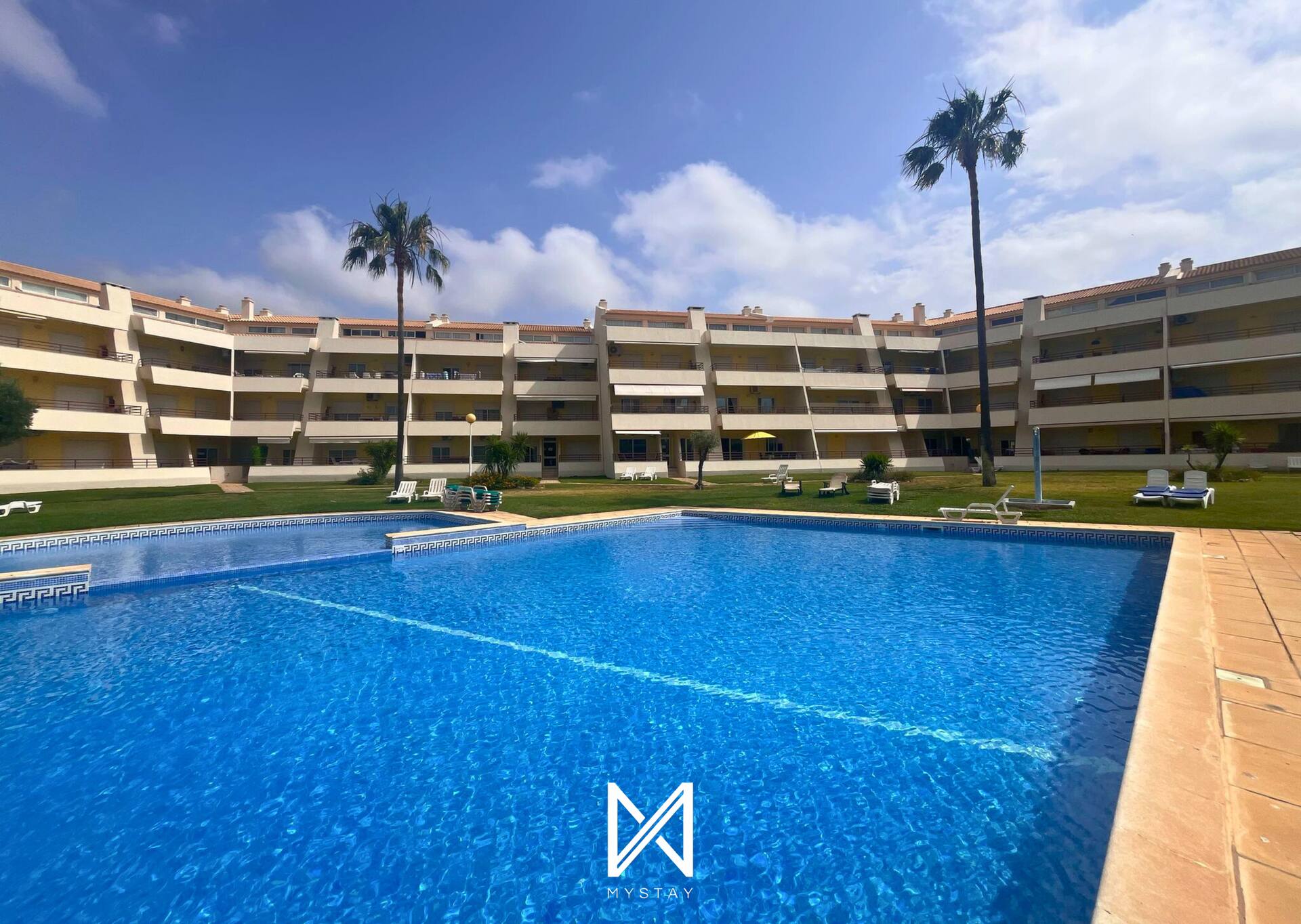
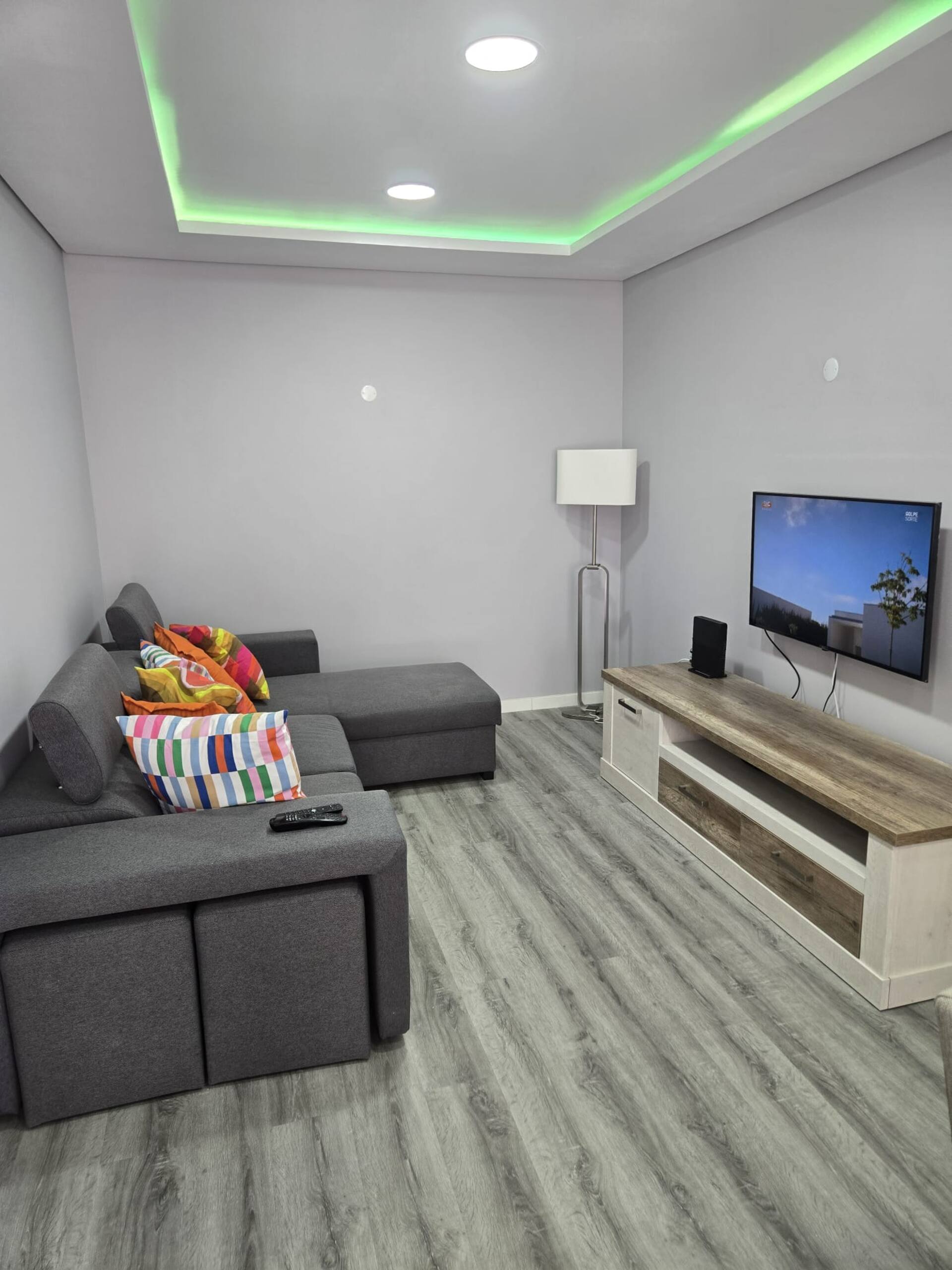
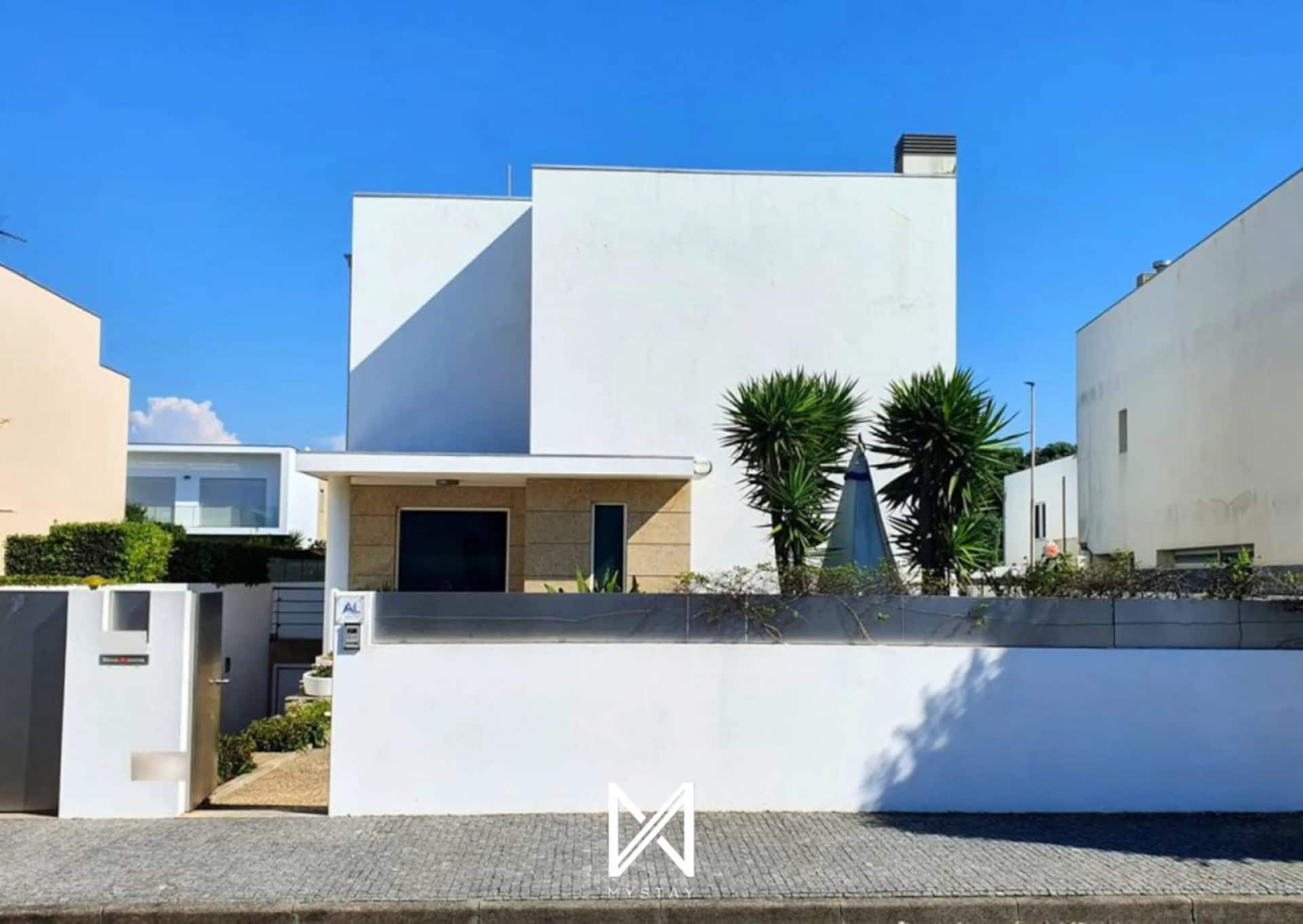
MyStay has three stays in the district, all of them apartments, sleeping between six and eight guests. That suits families and groups of friends more than couples.
- Alvor (1 apartment): a former fishing village beside a lagoon, with a long beach and a compact centre full of restaurants.
- Portimão (1 apartment): a working city on the Arade river, close to Praia da Rocha, with a train station and everyday shops.
- Quarteira (1 apartment): a seaside town with a long promenade and a fish market, next door to the marina of Vilamoura.
All three are booked directly on the site, with no intermediaries.
What to see and do
Near Alvor, walk the boardwalks over the dunes of the Ria de Alvor and spend a day on Praia de Alvor. From Portimão, Praia da Rocha is the classic city beach, and the Museu de Portimão, housed in an old sardine cannery, explains the town's fishing past.
Around Quarteira you have a run of beaches, among them Praia de Quarteira and Praia da Rocha Baixinha, and the Roman ruins of Cerro da Vila in Vilamoura. Further afield, the district's well-known stops are the old town of Faro, the Ponta da Piedade headland in Lagos, Silves castle, Tavira and the cape at Sagres. Boat trips, kayaking and water sports run from most harbours in season.
Getting there and around
Faro airport (Gago Coutinho) is the gateway, with flights from across Europe. From Lisbon, trains and express coaches reach the Algarve, and the regional Algarve line runs along the coast between Lagos and Vila Real de Santo António, stopping at Portimão and Faro. Alvor and Quarteira have no station and are reached by bus or car.
A car makes life easier, especially for beaches and inland villages. The A22 motorway crosses the region from east to west, and the older EN125 links the towns one by one. For timetables and fares, check CP for trains and the regional bus operator.
When to go
July and August are hot, dry and busy; beaches fill up and restaurants need booking. June and September keep the warm sea and long days with more room to breathe. Spring is green and good for walking, and in late January and February the almond trees blossom across the hills. Winter is mild and quiet, with some rain and many sunny days, though a few seasonal restaurants and boat operators close.
Summer brings local festivals, including Portimão's sardine festival and the medieval fair in Silves, both usually in August. Dates change each year, so confirm them with the local council.
Practical tips
- Book early for July and August, since apartments for six to eight people are the first to go.
- The Atlantic stays cool even in summer, and the western coast is breezier than the east.
- Check the beach flags and tide times; some coves can only be reached at low tide.
- Carry some cash for markets and small cafés, although cards are accepted in most places.
- Lunch is usually served from around noon to three, and dinner from half past seven.
- Sun protection matters from April to October, even on hazy days.