Where to stay in the Guarda district: a guide
Updated November 18, 2026
The Guarda district sits in the high interior of Portugal, between the Serra da Estrela mountains and the Spanish border. It is granite country: walled villages, cold clear rivers and a cathedral city that is the highest in the country. This guide explains what to expect and where MyStay fits in. To be plain about it, we have one place here, a holiday home in the city of Guarda.
Why visit Guarda
Guarda is for people who like space, stone and proper weather. The city stands at just over 1,000 metres, and locals sum it up with five Fs: forte, farta, fria, fiel e formosa, meaning strong, plentiful, cold, loyal and handsome. Around it lie some of Portugal's best-preserved fortified villages, the glacial valleys of the Serra da Estrela and the prehistoric rock art of the Côa valley.
It is also a place to eat well without fuss: Serra da Estrela sheep's cheese, smoked sausages, roast kid and, in autumn, chestnuts. Crowds are rare, even in August.
Where to stay
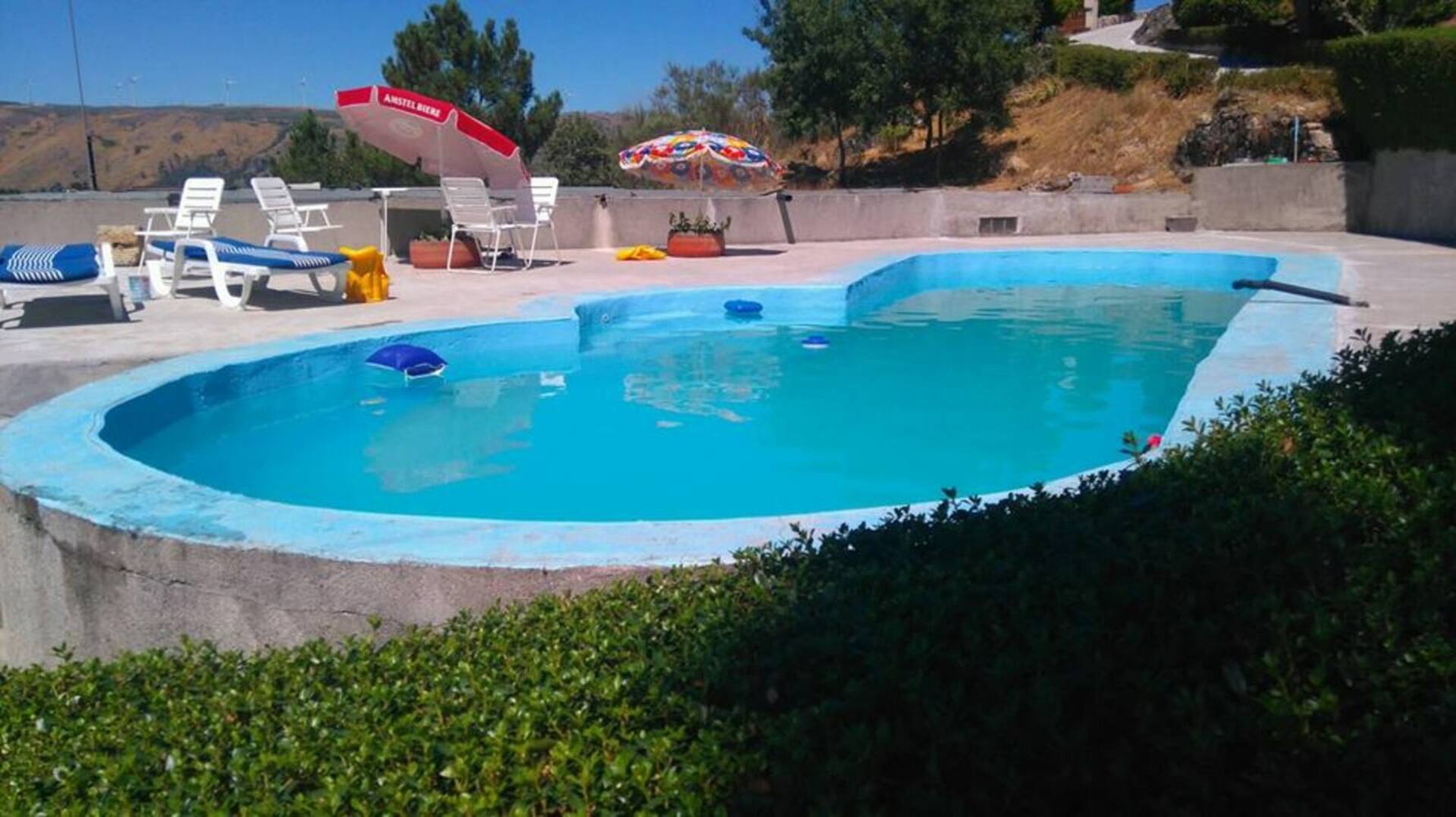
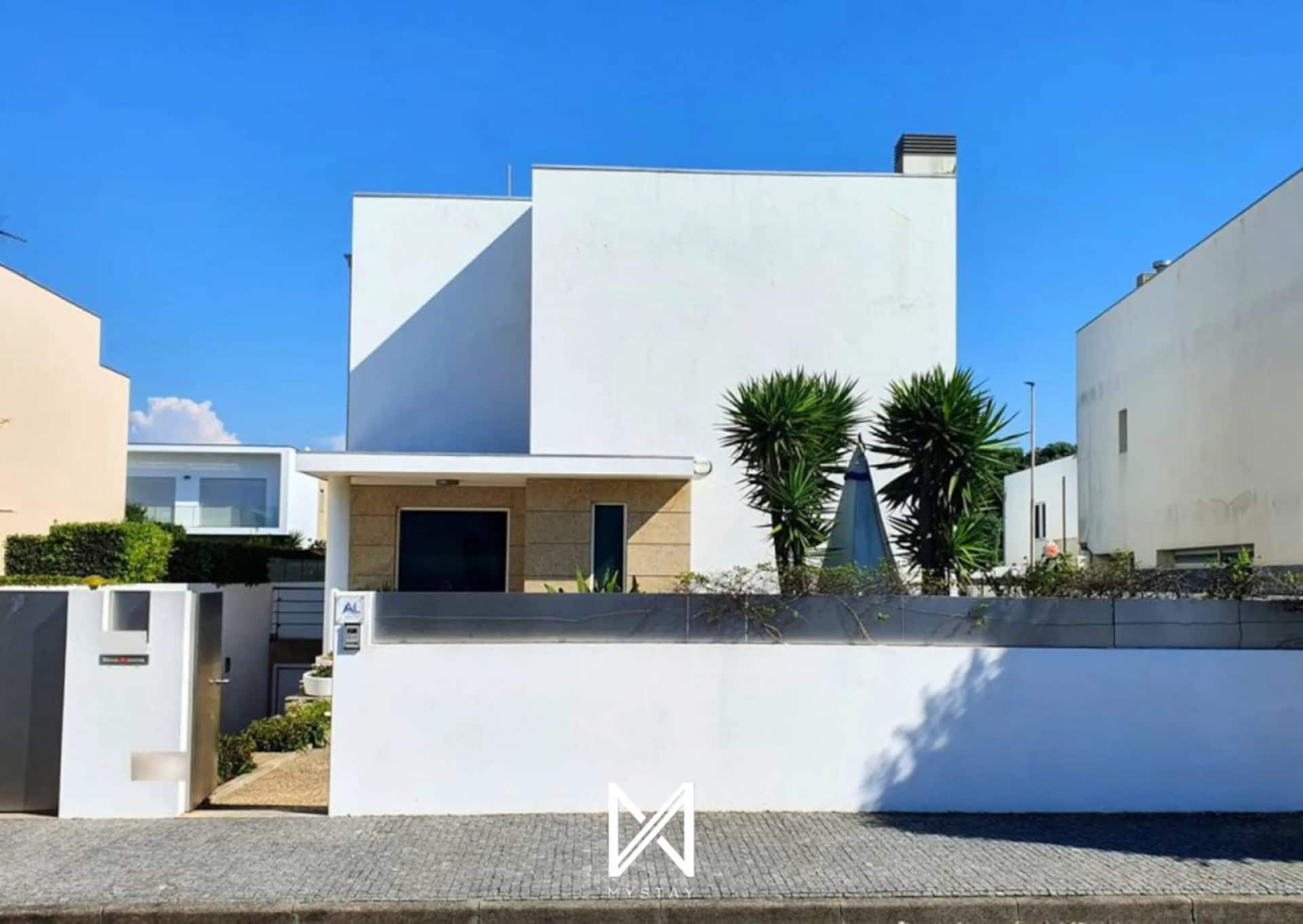
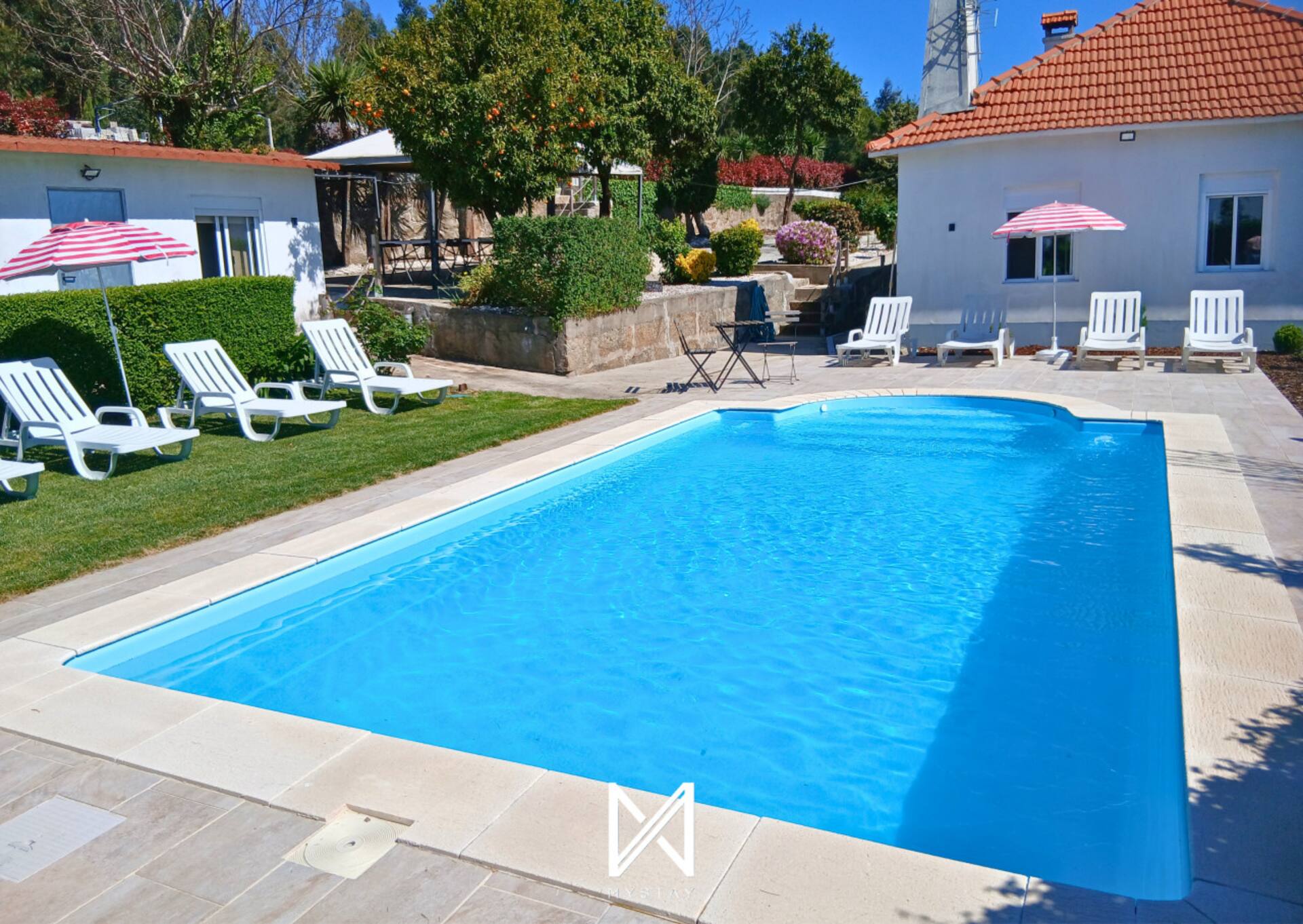
MyStay has a single stay in the district: a holiday home in Guarda itself, sleeping up to ten guests. That makes it a fit for a large family or two families travelling together rather than for a couple. It is booked directly on the site, with no intermediaries.
Guarda works well as a base. The city has supermarkets, restaurants, a hospital and a train station, and main roads leave in every direction, so the mountains, the border villages and the Mondego valley are all possible as day trips. If you want to sleep in a small village or high in the Serra, you will need to look beyond what we offer here for now.
What to see and do
Start with the city: the fortress-like granite cathedral (the Sé), the old Jewish quarter and the keep, the Torre de Menagem, with views over the plateau.
Just outside, the Passadiços do Mondego are wooden walkways and suspension bridges that follow the young Mondego river down from the Caldeirão dam. You can start at the Porta do Caldeirão or the Porta de Vila Soeiro, and the Miradouro do Caldeirão viewpoint looks over the gorge. In Maçainhas, a local association keeps alive the weaving of the cobertor de papa, the district's heavy wool blanket.
Further out are the star-shaped fortress of Almeida, the hill villages of Castelo Rodrigo, Linhares da Beira and Sortelha, and Manteigas in the Zêzere glacial valley.
Getting there and around
There is no airport in the district. Most visitors fly into Porto or Lisbon and continue by car, train or coach. By road, the A25 crosses from the coast at Aveiro to the border at Vilar Formoso, passing Guarda, and the A23 comes up from the south through Castelo Branco and Covilhã.
Guarda's station is on the Beira Alta and Beira Baixa railway lines; check CP for current services and times, as they have changed in recent years. Express coaches also serve the city. Once here, a car is close to essential: buses to the villages are infrequent, and the best places are scattered.
When to go
Seasons are sharp. Winter is cold, with frost and occasional snow in the city and more reliable snow at the top of the Serra da Estrela; bring proper layers and check road conditions before driving up. Spring comes late and brings wildflowers and full rivers. Summer days are warm and dry while nights stay cool, a relief when the rest of the country is sweltering. Autumn is chestnut and mushroom season, with clear air and colour in the valleys.
For the walkways and village visits, May, June, September and October are the most comfortable months.
Practical tips
- Pack a warm layer in any season; evenings at this altitude cool quickly.
- The Passadiços do Mondego involve many steps and are a linear route, so plan your return and check the official site for access rules and tickets before you go.
- Fill the tank before heading to remote villages, where petrol stations are few.
- Many village restaurants close one day a week and stop serving lunch by mid-afternoon; phone ahead.
- In winter, mountain roads can close after snowfall; follow local information.
- Buy cheese from producers or at the municipal market, and ask whether it is the soft, spoonable kind or the cured one.