Where to stay in the Setúbal district: a guide
Updated November 18, 2026
The Setúbal district runs from the south bank of the Tagus, opposite Lisbon, down the Atlantic coast to the fishing village of Porto Covo. In between lie the Arrábida hills, the Sado estuary and a long line of beaches that grow wilder the further south you go. MyStay's presence here is small and sits at the southern end, in Sines and Porto Covo, on the Alentejo coast. This guide tells you what to expect.
Why visit
The district is really two trips in one. The north, around Setúbal, Sesimbra, Palmela and Almada, is Lisbon's seaside: limestone cliffs dropping into clear coves in Arrábida, dolphins in the Sado, hilltop castles and the wine estates of Azeitão. The south is the Alentejo coast, with low whitewashed villages, cork oaks and beaches backed by cliffs rather than buildings.
Sines is a working port town and the birthplace of Vasco da Gama. Porto Covo, in the same municipality, is a small grid of white houses with blue trim above a string of sandy coves. From São Torpes southwards the shore belongs to the Southwest Alentejo and Vicentine Coast Natural Park.
Where to stay
To be plain about scale: MyStay has two stays in the district, both on this southern coast.
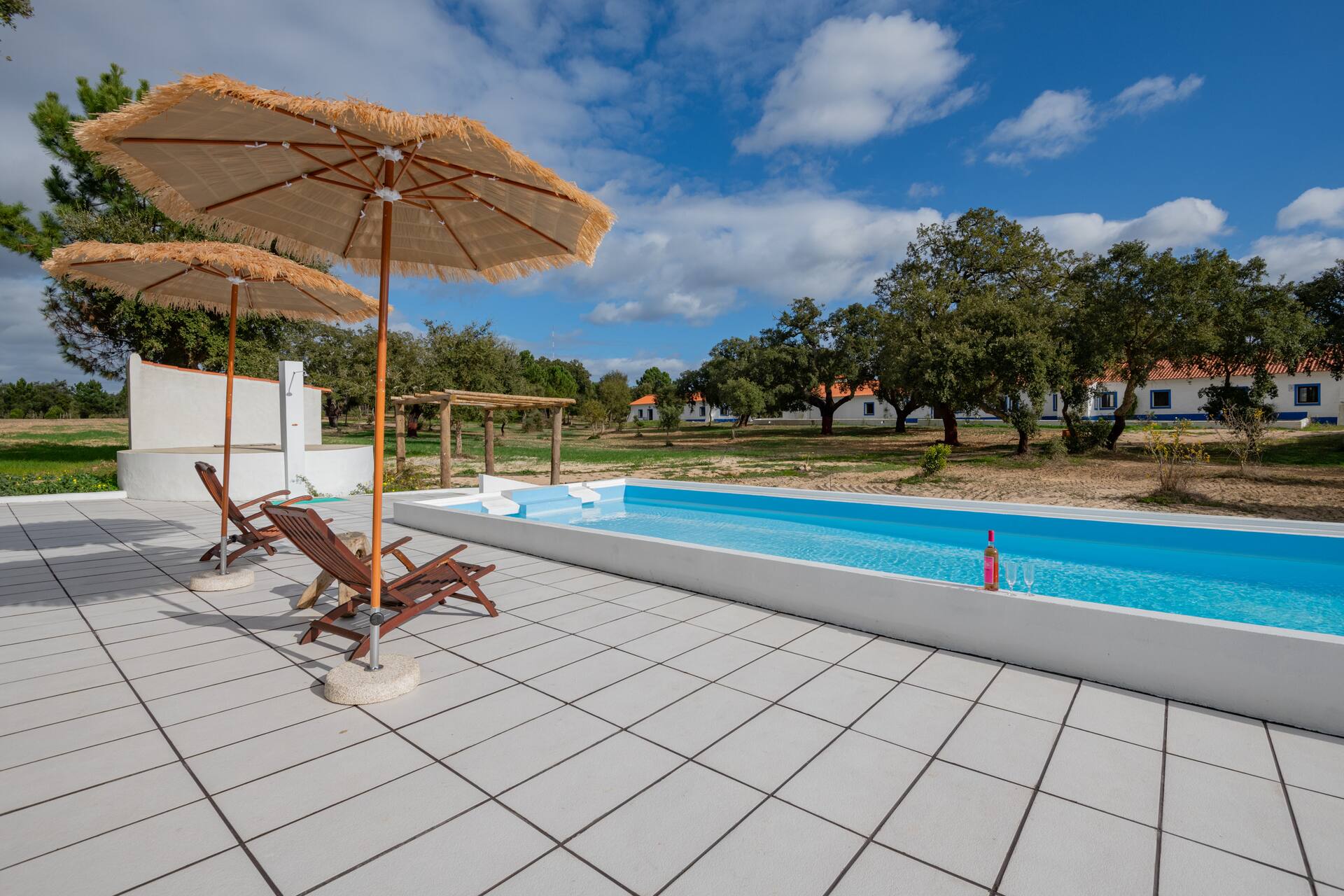
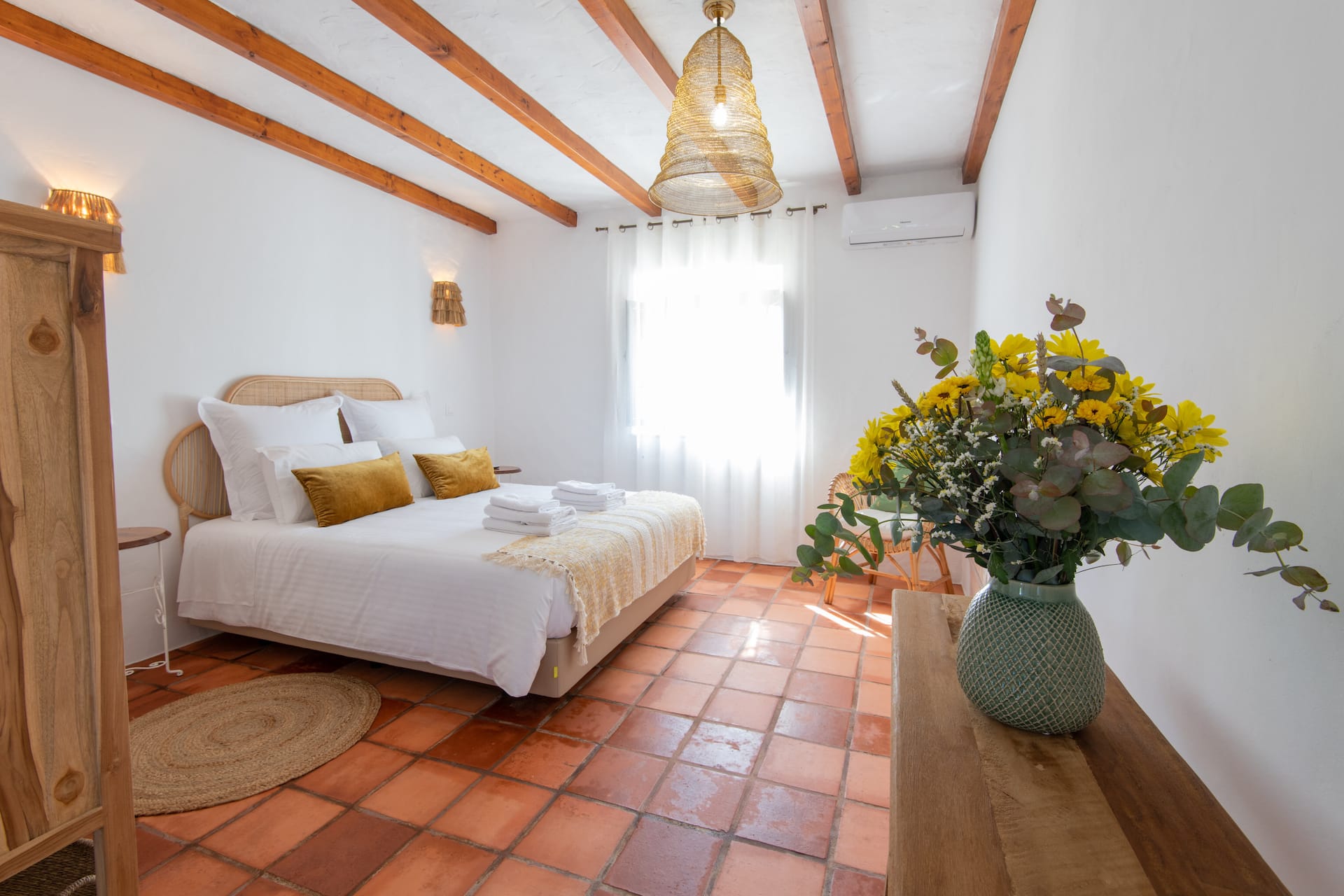
- Sines: one hotel, Herdade do Vale da Abelheira, a country estate outside the town, offered as two room types.
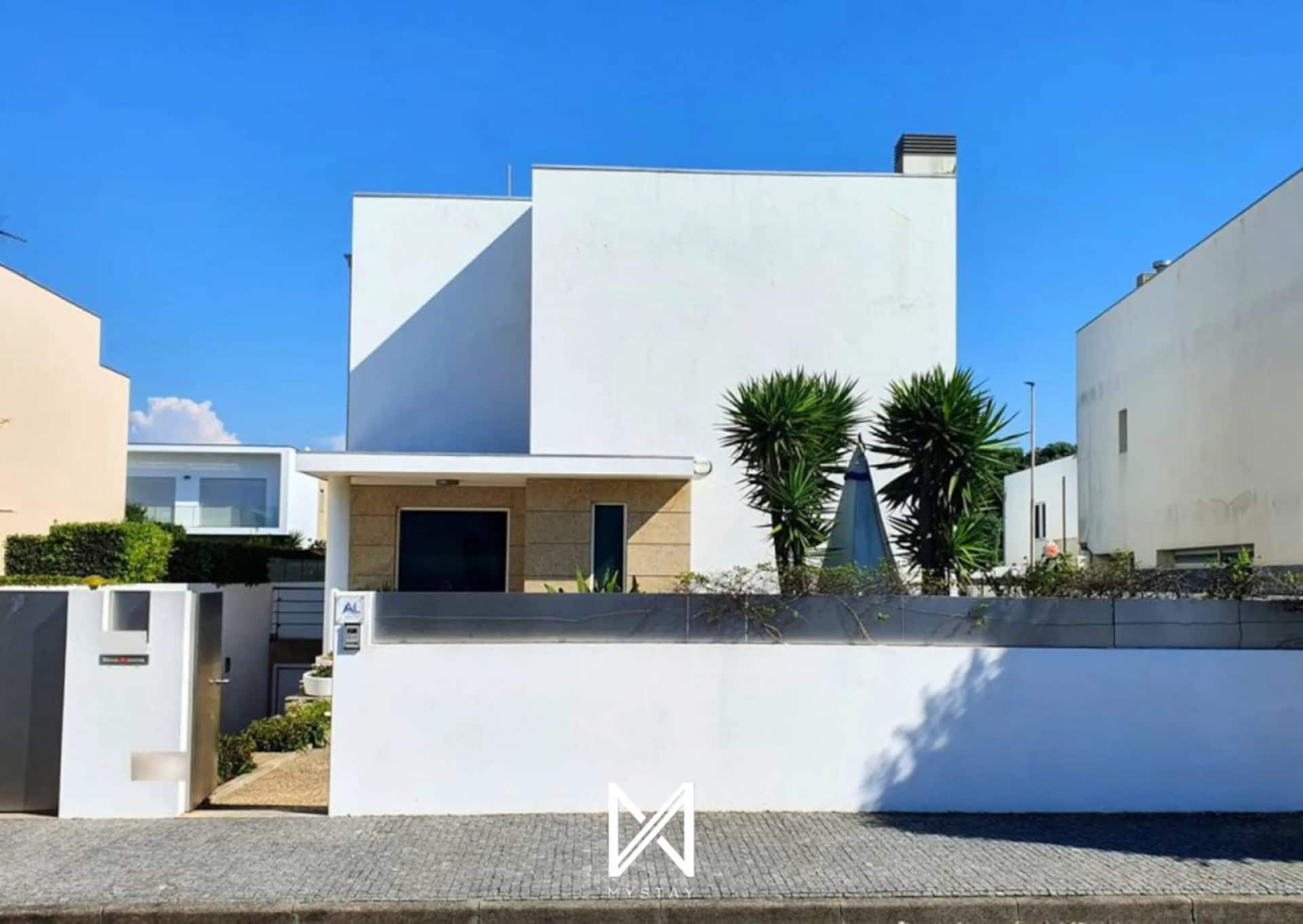
- Porto Covo: one holiday home.
Between them they take from 2 up to 8 guests, so a couple and a larger family can each find something. You book directly on the site, with no intermediaries. We have nothing in Setúbal city, Tróia, Comporta or Sesimbra, so if those are your main aim, treat them as day trips or plan a separate stop. Choose Porto Covo for village life beside the coves, and the Herdade for the quiet of the countryside, outside Sines rather than in the town itself.
What to see and do
In Porto Covo, begin in the main square, Largo Marquês de Pombal, with the Church of Nossa Senhora da Soledade, then follow the path along the cliffs. Praia dos Buizinhos is the small cove just below the village, and the public garden is a quiet place to sit. Offshore lies Pessegueiro island with the ruins of a fort; local boats cross in season, so ask at the harbour.
In Sines, visit the castle, which houses the town museum, and look down on Vasco da Gama beach from its walls. São Torpes, south of town, is the surf beach. Walkers can join the Fishermen's Trail of the Rota Vicentina, which follows the cliffs through Porto Covo towards Vila Nova de Milfontes.
Getting there and around
Fly into Lisbon's Humberto Delgado airport. By car, cross the Tagus, follow the A2 south and leave it near Grândola for the road west to Sines; Porto Covo is further down the coast. There is no passenger train to Sines. Rede Expressos coaches link Lisbon with Sines and Porto Covo; check their timetable, as frequency changes with the season.
A car makes everything easier, because beaches and towns are spread out and local buses are limited.
When to go
June to September is beach season, with long dry days. The Atlantic stays cool even in August, mornings can start with sea mist and a north wind often picks up in the afternoon, so pack a layer. Late July brings the Festival Músicas do Mundo to Sines, when the town fills up.
Spring and early autumn are the best time for walking: the cliffs are in flower in spring, and September and October are still warm with far fewer people.
Practical tips
- Wear shoes with grip on the cliff paths and keep back from the edges, which crumble.
- Swim at lifeguarded beaches in season and respect the flags; currents are strong on this coast.
- Eat fish: the grilled catch of the day, goose barnacles and, further north, Setúbal's fried cuttlefish with a glass of Moscatel.
- Carry water and sun protection on the trail, where shade is scarce.