Where to stay in the Viana do Castelo district: a guide
Updated November 18, 2026
The Viana do Castelo district is the Alto Minho, the green north-west corner of Portugal between the Atlantic, the river Minho and the mountains of Peneda. It is a land of granite villages, vines trained high on pergolas and a border with Galicia that you can cross on foot. MyStay has a single stay here, a large house in the parish of Gandra e Taião, in the municipality of Valença, so this guide starts in the Minho valley and looks outwards from there.
Why visit
This is one of the greenest and most traditional parts of the country. Rain falls generously, so the hills stay lush through summer and the Minho and Lima rivers run full. The towns are small and handsome: Viana do Castelo on the coast, Ponte de Lima with its medieval bridge, Caminha at the river mouth, and the walled town of Valença looking across the water at Tui in Spain.
People come for walking and cycling, for Alvarinho wine from Monção and Melgaço, for the Portuguese Way to Santiago, which crosses the district from south to north, and for the Peneda-Gerês National Park on its eastern side.
Where to stay
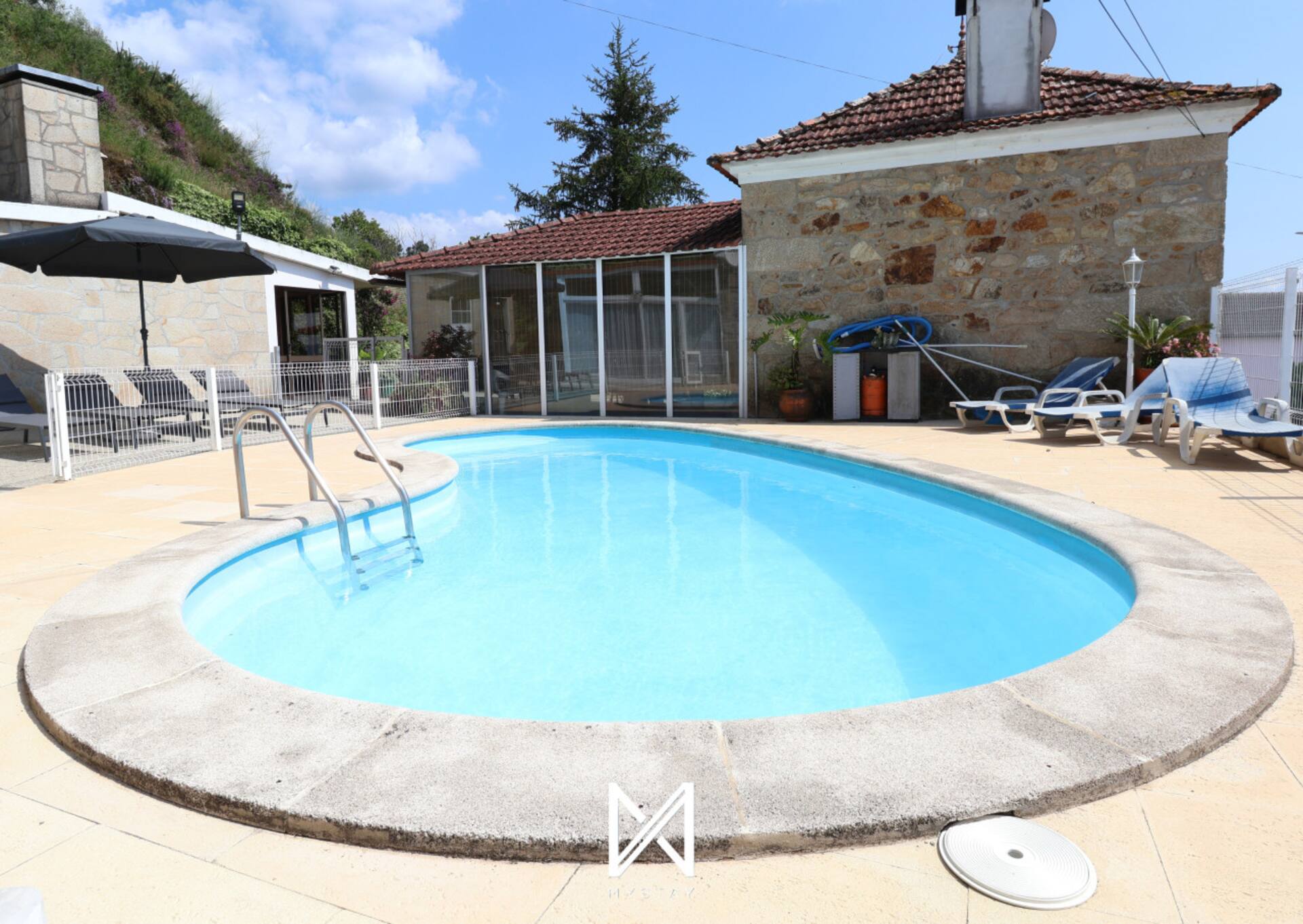
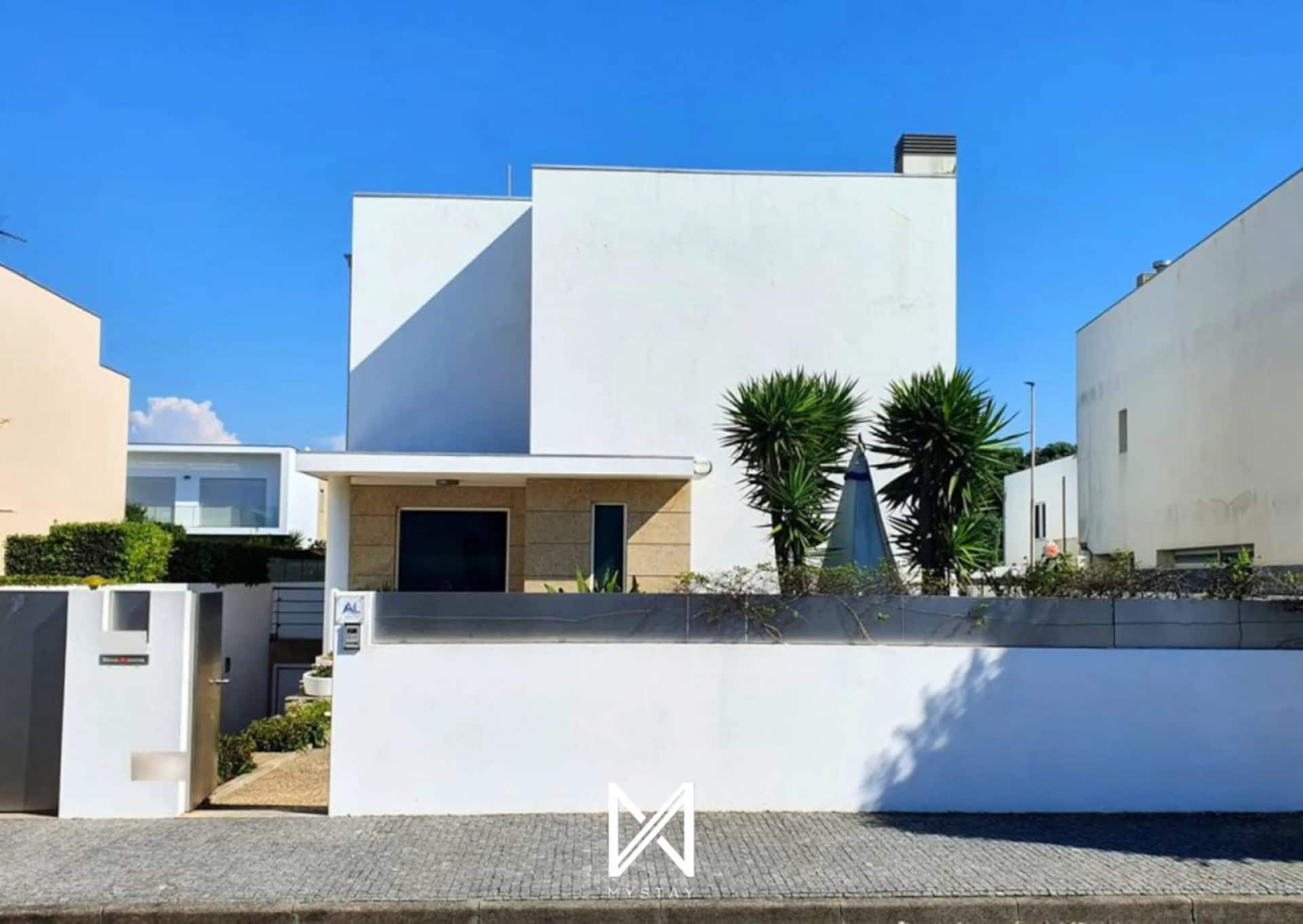
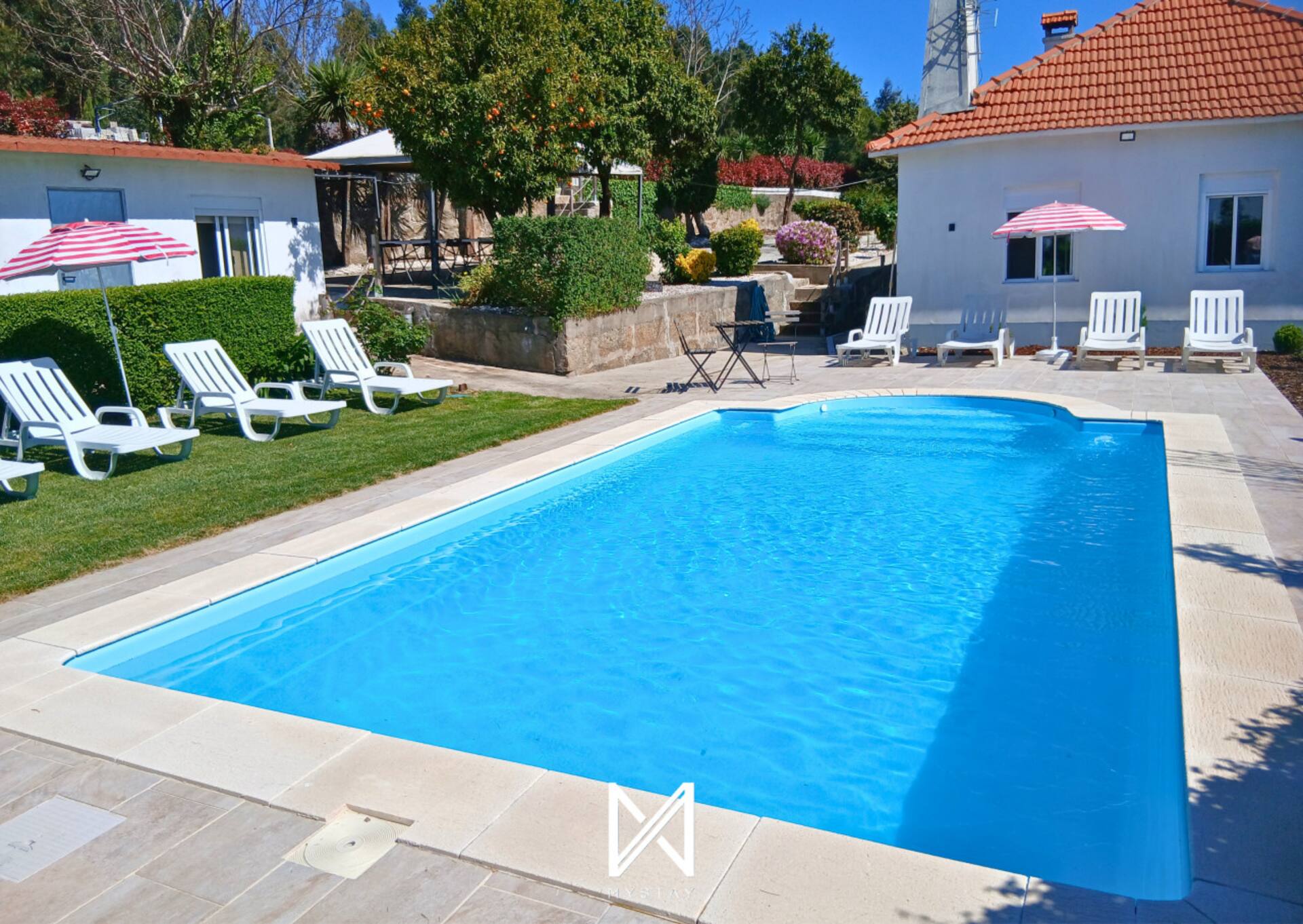
Scale first: MyStay has one stay in the whole district. It is a holiday home in the parish of Gandra e Taião, in the municipality of Valença, and it takes up to 10 guests. That makes it a house for a large family or a group travelling together rather than for a couple. You book it directly on the site, with no intermediaries.
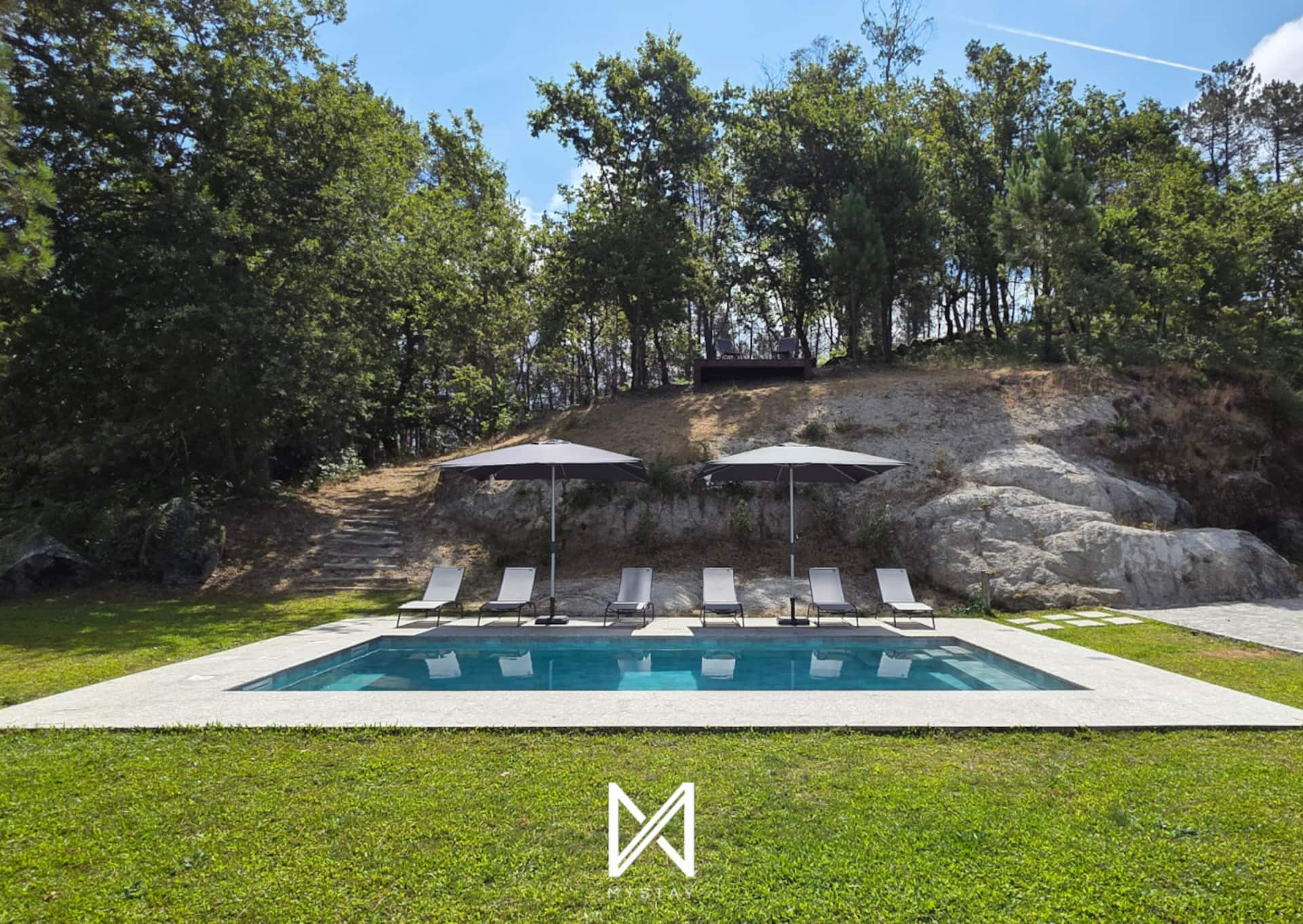
The setting is the countryside of the Minho valley, with Valença as the nearest town for shops, restaurants and the railway station. We have no hotels or apartments here and nothing on the coast or in the city of Viana do Castelo, so those are places to visit by car from the house.
What to see and do
Start with Valença's fortress, a double ring of ramparts with streets, churches and shops inside. The Church of Santo Estêvão, the Roman milestone and the town's small museum are all within the walls, and the Interpretation Centre for Castles and Fortresses occupies the old powder magazine at Campo de Marte. Then walk across the old iron bridge to Tui for its cathedral and riverside promenade.
Above the town, Monte do Faro has a viewpoint over the river and both countries, with a picnic park by the Senhora do Faro chapel. Taião has its own viewpoint and a small rural museum, and the Romanesque monastery of Sanfins stands among woods.
The Ecopista do Rio Minho, a cycle path on a former railway line, follows the river towards Monção.
Getting there and around
Two airports serve the area: Porto's Francisco Sá Carneiro and, across the border, Vigo. From Porto the A3 motorway runs to Valença, while the A28 follows the coast to Viana do Castelo and Caminha. By rail, the Minho line links Porto with Viana do Castelo, Caminha and Valença, and the international Celta service continues to Vigo; check CP for times.
For a house in the countryside a car is the practical choice.
When to go
Summer, from June to September, is warm without the heat of the south and is the season for the coast, river beaches and festivals. In August the Romaria de Nossa Senhora d'Agonia fills Viana do Castelo, and Ponte de Lima holds its Feiras Novas in September. Accommodation fills early around both.
Spring is green and full of water; autumn brings the grape harvest and good walking weather. From late autumn to early spring expect frequent rain, short days and mist in the valleys, along with long lunches and the lamprey season on the Minho.
Practical tips
- Spain is one hour ahead of Portugal; remember it for restaurant bookings and trains in Tui or Vigo.
- Pack a waterproof at any time of year, and shoes with grip for granite paths, which are slippery when wet.
- Order the local table: Alvarinho and other vinho verde, salt cod, roast kid and, in Ponte de Lima, arroz de sarrabulho.