Where to stay in the Vila Real district: a guide
Updated November 18, 2026
The Vila Real district runs from the terraced vineyards of the Douro up to the granite plateaux of Trás-os-Montes and the Spanish border. It is a place for river views, mountain walks and long lunches rather than for ticking off monuments. MyStay has one holiday home here, so this guide is mostly about the district itself and how to make the most of a few days in it.
Why visit the Vila Real district
Few parts of Portugal change so much in so short a drive. In the south, the Alto Douro Wine Region, a UNESCO World Heritage landscape, steps down to the river around Peso da Régua and Pinhão. Further north the land rises into the Marão and Alvão ranges, then opens onto the high country around Chaves, Boticas and Montalegre, where part of the Peneda-Gerês National Park lies. Villages are small, the food is hearty and the roads are quiet.
Where to stay
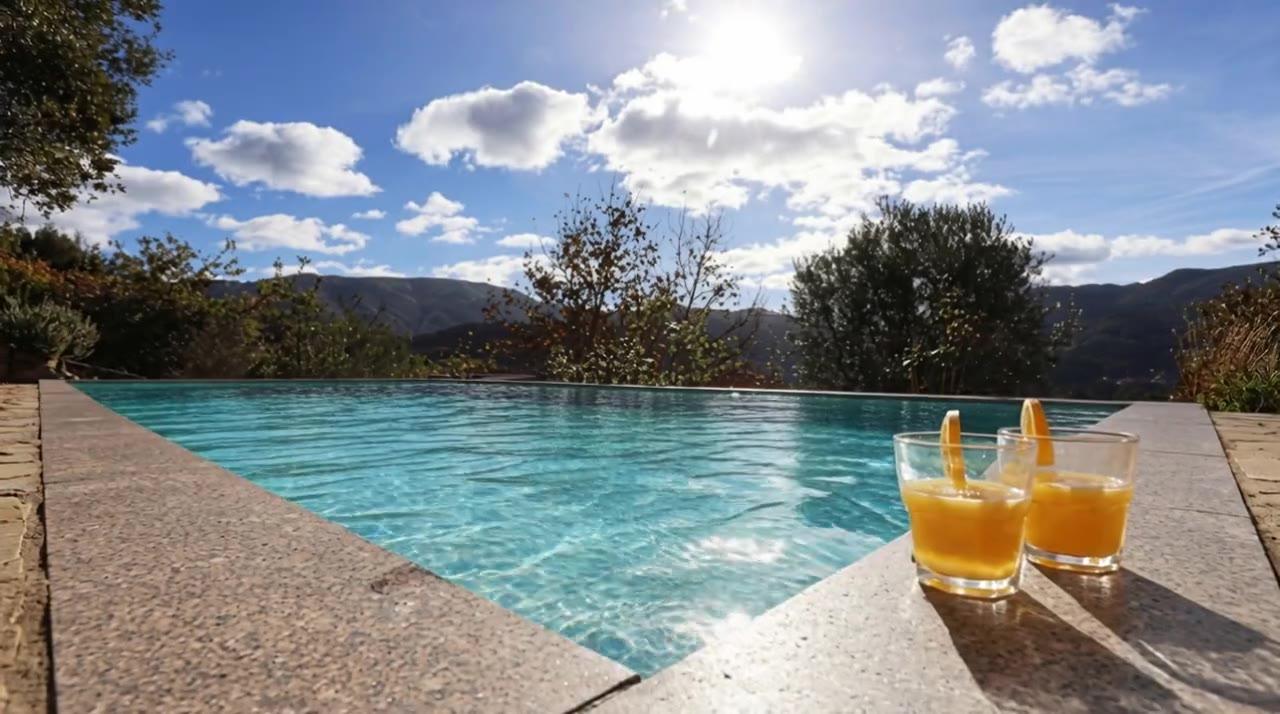
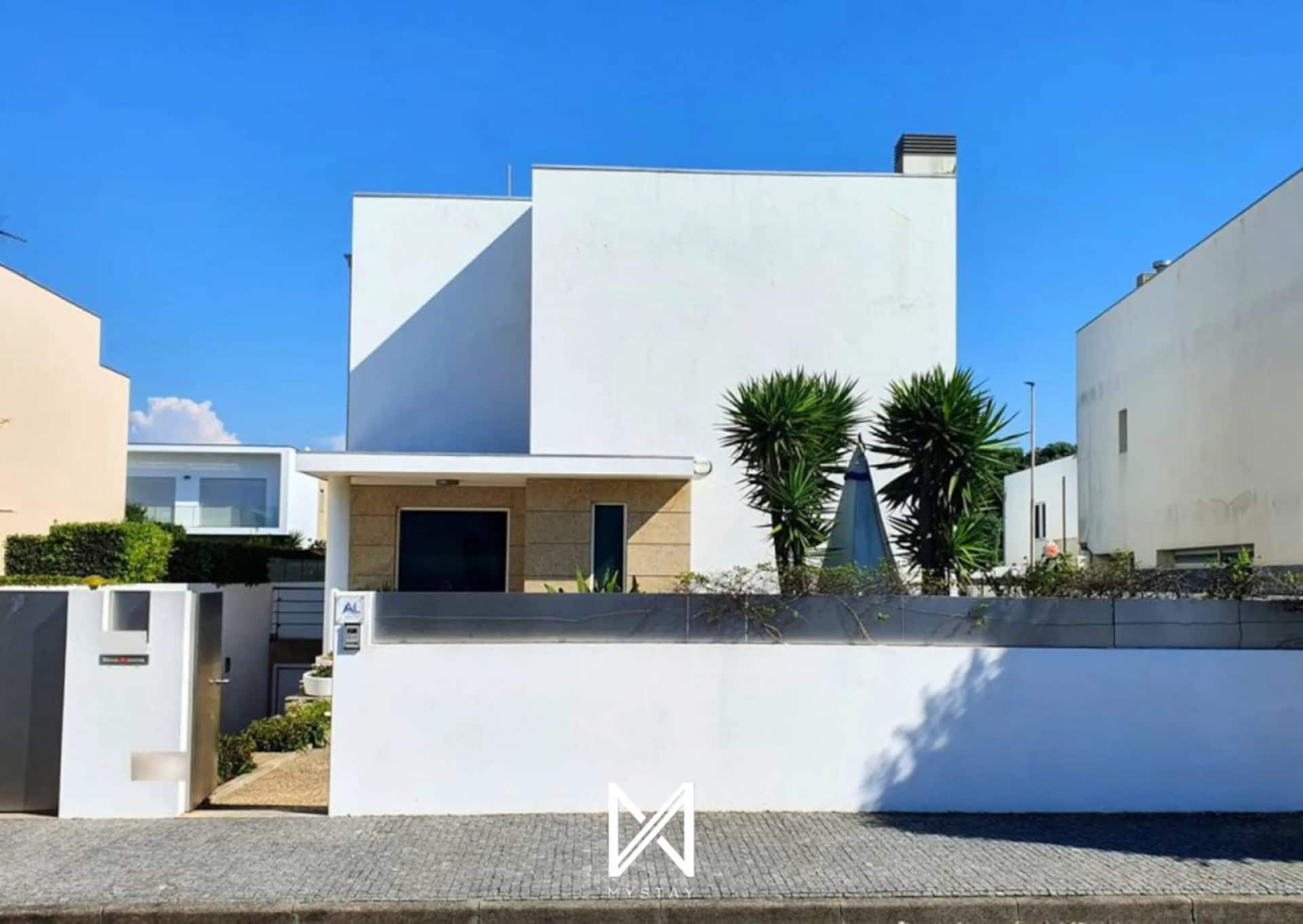
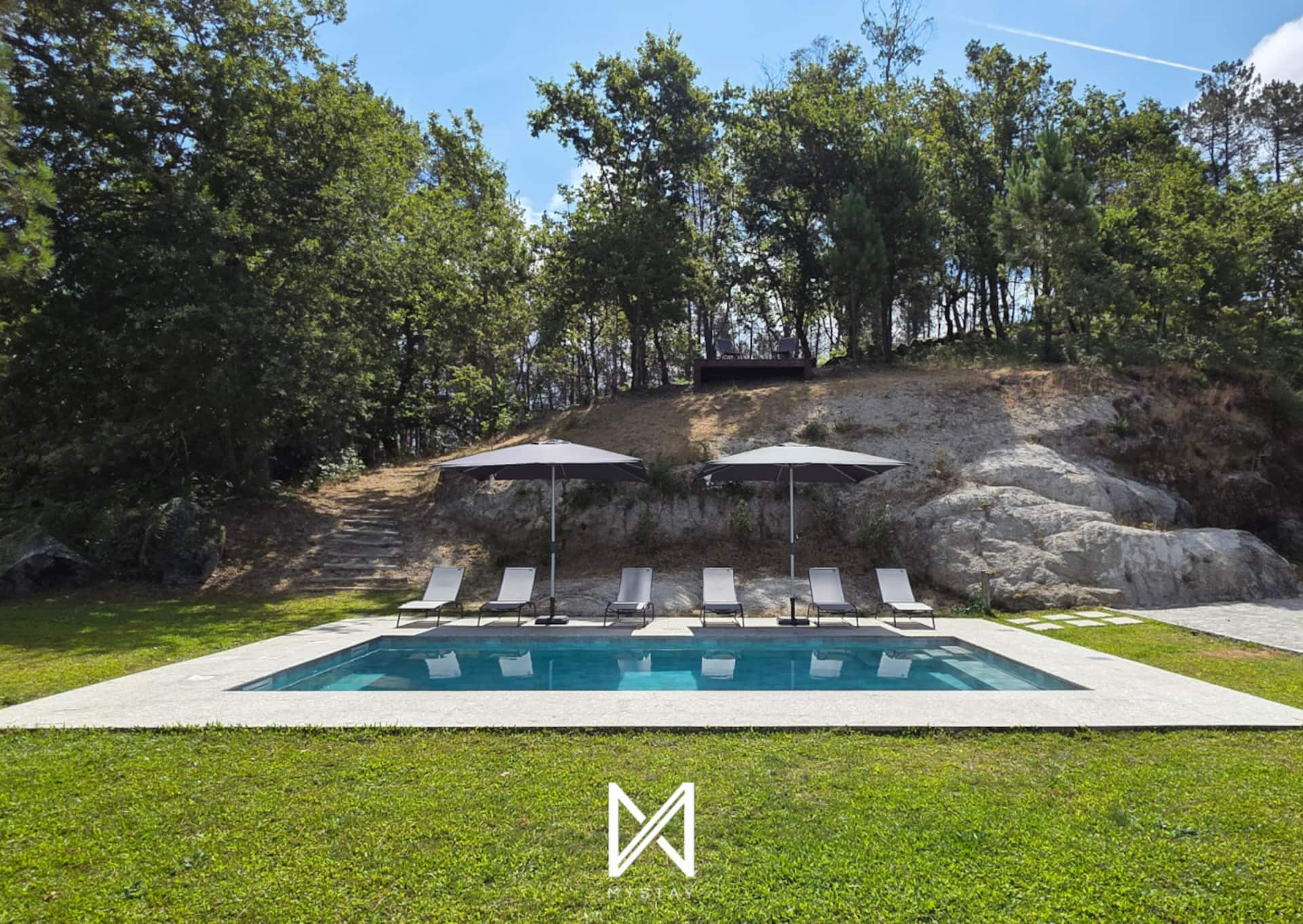
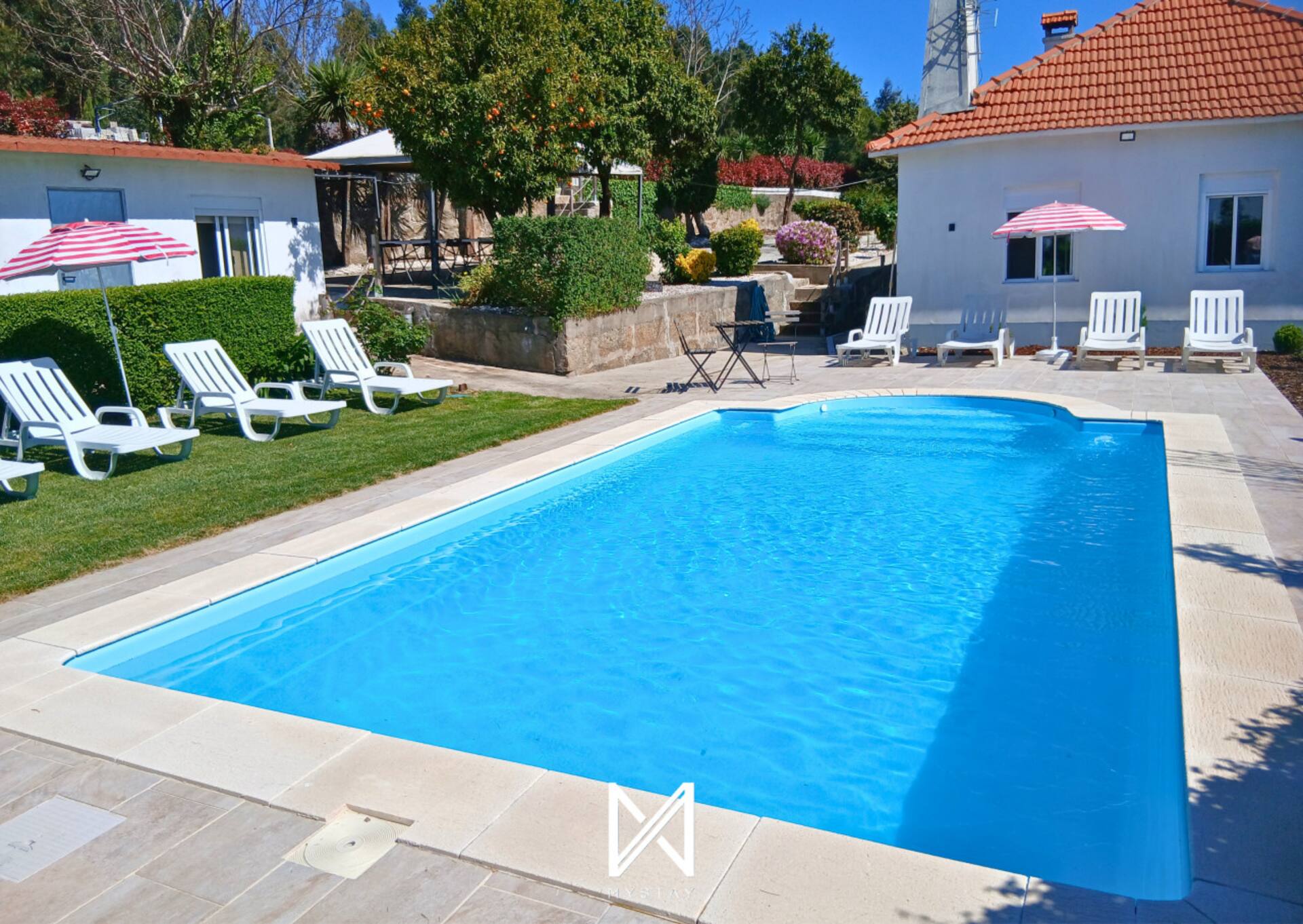
MyStay has a single stay in the district: a holiday home that sleeps up to eight guests. That makes it a good fit for a family or a group of friends who want a kitchen, shared living space and somewhere quiet to come back to after a day out. There are no hotels in the selection here, and no other property types.
With only one house on offer, free dates are limited in summer and during the grape harvest, so it is worth deciding early. The stay is booked directly on the site, with no intermediaries. The information we hold places the house in the district without naming a town, so check its listing page for the location before planning your routes.
What to see and do
The local guide for the stay lists Piocas de Baixo, natural pools on the river Olo in the Alvão Natural Park, a favourite place for a swim on hot days. Around the district, these are worth the drive:
- Fisgas de Ermelo, one of Portugal's tallest waterfalls, also in the Alvão Natural Park.
- Casa de Mateus, the baroque manor house and gardens just outside Vila Real.
- Peso da Régua and the Museu do Douro, a good introduction to the wine region.
- Pinhão, with its tiled railway station and wine estates that receive visitors.
- Chaves, for the Roman bridge over the Tâmega, the castle keep and the hot springs.
- Montalegre and the Barroso, for mountain villages and the edge of Peneda-Gerês.
Getting there and around
The nearest airport is Porto. From there the A4 motorway reaches Vila Real through the Marão tunnel and continues east towards Bragança. The A24 crosses the district from south to north, linking Régua, Vila Real and Chaves before carrying on to the Spanish border.
The Douro railway line runs from Porto along the river to Régua and Pinhão and is one of the country's most scenic journeys; the city of Vila Real itself has no train service. Long-distance coaches link Porto and Lisbon with Vila Real and Chaves. Check timetables and fares with the operators. To explore the valleys and mountains properly you need a car, and some patience on winding roads.
When to go
Spring brings green hillsides, cherry blossom and comfortable walking weather. Summer is hot, especially down in the Douro valley, where afternoons are best spent near water or in the shade. September and early October are harvest time: the vineyards are busy, the terraces turn red and gold, and this is the most popular season in the wine country.
Winter is cold on the plateau, with frost and occasional snow on the higher ground, but it is also the season of smoked sausages, chestnuts and open fires. In Vila Real, the feast of São Pedro at the end of June fills the streets with a fair where the black pottery of Bisalhães is sold.
Practical tips
- Wine estates, boat trips and the better-known restaurants should be booked in advance in summer and at harvest.
- Try the local specialities: covilhetes (small meat pies) and cristas de galo pastries in Vila Real, pastéis de Chaves, smoked ham, alheira sausage and, of course, Port and Douro table wines.
- Many museums and monuments close one day a week; check opening days with each site.